
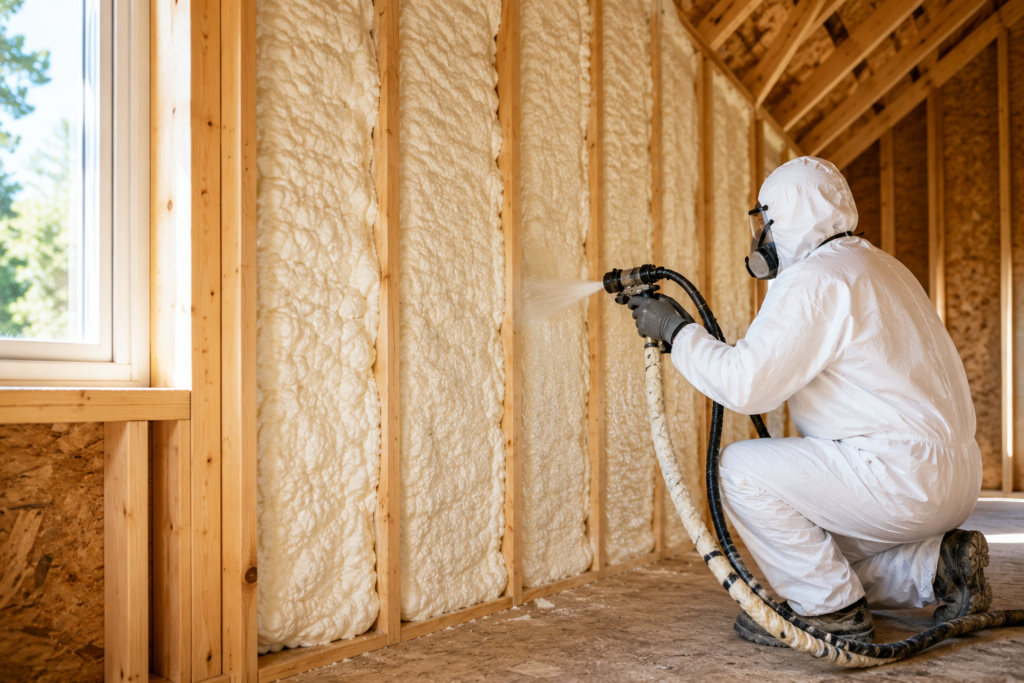
Insulation performance depends on more than just materials. Proper local installation ensures insulation is designed for Missouri’s climate, humidity, seasonal temperature swings, and home construction styles. Poor installation can reduce energy efficiency, indoor comfort, and long-term moisture protection.
Key Takeaways
Insulation performance depends heavily on installation quality
Missouri weather creates unique insulation challenges
Proper installation improves energy efficiency and moisture control
Local contractors understand regional climate conditions better
Poor insulation installation can reduce long-term performance
Insulation performance depends heavily on installation quality
Missouri weather creates unique insulation challenges
Proper installation improves energy efficiency and moisture control
Local contractors understand regional climate conditions better
Poor insulation installation can reduce long-term performance
Insulation Isn’t Just About the Material
Many homeowners focus only on the type of insulation being installed.
But the truth is:
Even high-quality insulation can perform poorly if it’s installed incorrectly.
Gaps, uneven coverage, poor sealing, and moisture issues can dramatically reduce insulation effectiveness.
That’s why installation quality often matters just as much as the insulation product itself.
If you’re planning energy-efficiency upgrades, learning more about professional insulation solutions can help ensure long-term comfort and performance.
Missouri Homes Face Unique Climate Challenges
Missouri weather puts insulation systems under constant stress.
Homes regularly experience:
Hot humid summers
Cold winter temperatures
Rapid seasonal shifts
Moisture fluctuations
These changing conditions affect:
Indoor comfort
Energy efficiency
Moisture control
HVAC performance
According to the U.S. Department of Energy, proper insulation and air sealing are essential for maintaining consistent indoor temperatures and reducing energy loss.
This is why local installation experience matters so much.
Why Local Knowledge Improves Insulation Performance
A contractor familiar with Missouri homes understands:
Regional humidity levels
Common building styles
Local ventilation challenges
Seasonal moisture behavior
National “one-size-fits-all” installation approaches often overlook local climate realities.
For example:
Humid environments require careful moisture management
Older Missouri homes may have airflow gaps that newer homes do not
Local expertise helps prevent these problems before they affect long-term insulation performance.
Air Leaks Quietly Reduce Efficiency
One of the biggest insulation issues is uncontrolled air leakage.
Even small gaps allow:
Heat transfer
Moisture intrusion
Energy loss
According to the U.S. Environmental Protection Agency Energy Resources, air leaks and insufficient insulation are major contributors to residential energy waste.
This means homeowners may continue paying higher energy bills even after adding insulation if sealing is incomplete.
Moisture Problems Often Start Behind Walls
Improper insulation installation can trap moisture inside walls or crawl spaces.
Over time, this may contribute to:
Mold growth
Wood rot
Reduced insulation performance
Indoor air quality problems
Missouri’s humidity makes moisture management especially important.
According to the U.S. Environmental Protection Agency Mold Guide, persistent hidden moisture creates ideal conditions for mold development inside homes.
This is why insulation installation should never focus only on temperature control alone.
Why Spray Foam Performance Depends on Installation
Spray foam insulation is highly effective when applied correctly.
But performance issues can occur if:
Coverage is uneven
Expansion gaps are missed
Ventilation planning is ignored
Proper installation helps maximize:
Air sealing
Moisture resistance
Thermal performance
This is one reason experienced local installers are so valuable.
If you’re evaluating crawl space or foundation insulation, our crawl space protection solutions explain how moisture and insulation performance connect together.
Energy Savings Depend on Proper Coverage
Many homeowners expect immediate utility savings after adding insulation.
But poor installation may leave:
Thermal gaps
Inconsistent density
Unsealed penetrations
These hidden weaknesses reduce efficiency dramatically.
According to the Energy Star Home Efficiency Resources, well-installed insulation and air sealing significantly improve HVAC efficiency and reduce energy consumption.
The goal is not simply adding insulation.
It’s creating a complete thermal barrier.
Why Older Homes Need Specialized Attention
Older Missouri homes often contain:
Inconsistent framing
Existing air leaks
Moisture intrusion points
Outdated insulation systems
Local installers familiar with older regional construction methods can better identify hidden performance issues.
This helps prevent:
Uneven temperatures
Drafts
Condensation problems
Comfort Matters Just as Much as Efficiency
Insulation affects more than utility bills.
Proper installation also improves:
Indoor comfort
Noise reduction
Temperature consistency
Humidity control
Many homeowners notice:
Fewer drafts
More stable temperatures
Improved room comfort
after insulation systems are professionally upgraded.
Why Cheap Installation Often Costs More Later
Low-cost installation shortcuts often create expensive long-term problems.
Common issues include:
Incomplete sealing
Moisture buildup
Poor material coverage
Reduced insulation lifespan
Fixing improperly installed insulation later usually costs significantly more than doing the job correctly the first time.
Frequently Asked Questions
Why does insulation installation quality matter?
Improper installation creates gaps, air leaks, and moisture problems that reduce performance.
Does Missouri weather affect insulation needs?
Yes. Missouri’s humidity and temperature swings require careful insulation planning.
Can poor insulation increase energy bills?
Absolutely. Air leaks and incomplete coverage reduce efficiency significantly.
Is spray foam better than traditional insulation?
It depends on the home and application, but proper installation is critical for performance.
Final Thoughts
Insulation performance depends on more than just materials.
The quality of local installation plays a major role in how well a home controls temperature, moisture, and long-term energy efficiency.
Missouri homes face unique climate conditions that require insulation systems designed and installed with local experience in mind.
If you want stronger energy performance, improved comfort, and better long-term home protection, explore professional insulation solutions from Missouri Foundation Foam designed specifically for Missouri homes and climate conditions.