
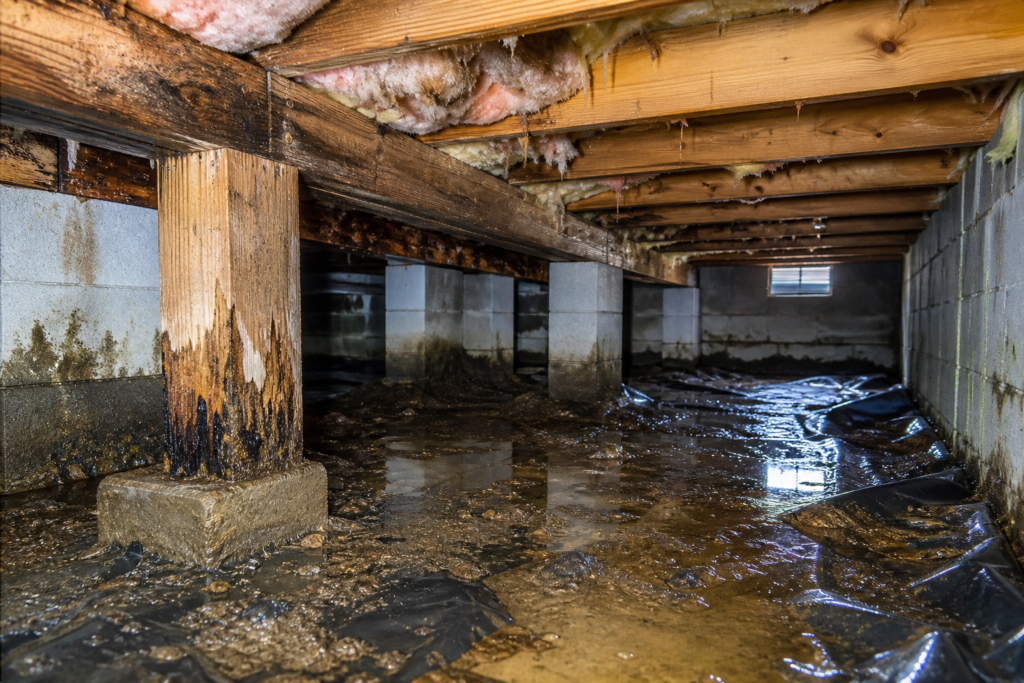
Crawl space moisture is a leading cause of structural damage in Missouri homes, contributing to wood rot, mold growth, and foundation instability. Addressing moisture early helps prevent costly repairs and improves overall home health.
Key Takeaways
Crawl space moisture often leads to hidden structural damage
Missouri’s humidity and soil conditions increase moisture risks
Early detection prevents costly foundation repairs
Proper drainage and encapsulation improve long-term stability
Moisture control improves indoor air quality and home value
Why Crawl Space Moisture Is a Bigger Problem Than You Think
Most homeowners don’t think about their crawl space until something goes wrong.
But in Missouri, crawl spaces are especially vulnerable due to:
High humidity levels
Frequent rainfall
Expansive clay soil
These conditions create the perfect environment for moisture buildup.
Over time, this moisture does more than just sit under your home. It affects the entire structure.
If you’re already noticing signs of moisture, it may be time to explore professional solutions through crawl space repair services.
How Moisture Enters Your Crawl Space
Moisture doesn’t appear overnight. It builds gradually through several sources.
Ground Moisture
Water from the soil rises into the crawl space, especially in areas with poor drainage.
Humid Air
Missouri’s humid climate allows warm air to enter and condense on cooler surfaces.
Poor Ventilation
Traditional vented crawl spaces often trap moisture instead of removing it.
According to the Environmental Protection Agency,moisture is the primary factor contributing to mold growth in enclosed spaces.
The Hidden Damage Moisture Causes
Crawl space moisture rarely stays isolated.
Wood Rot
Excess moisture weakens wooden beams and supports.
Mold and Mildew
Damp environments promote mold growth, which can affect indoor air quality.
Foundation Shifting
Moisture changes soil conditions, leading to movement and instability.
Pest Infestation
Moist environments attract insects and rodents.
These issues often go unnoticed until significant damage has already occurred.
Why Missouri Homes Are More Vulnerable
Missouri’s environment creates unique challenges.
Clay soil expands when wet and shrinks when dry
Seasonal rainfall increases moisture accumulation
Temperature changes create condensation cycles
The U.S. Geological Survey explains how soil movement directly affects structural stability.
This is why moisture control is not optional. It is essential.
Warning Signs of Crawl Space Moisture Problems
Recognizing early signs can save thousands in repairs.
Look for:
Musty odors inside the home
Sagging floors
Increased humidity indoors
Visible mold or mildew
Standing water under the home
If you notice these issues, it’s important to act quickly. Start with our crawl space inspection checklist to identify potential risks.
How Crawl Space Issues Affect Indoor Air Quality
What happens in your crawl space doesn’t stay there.
Air from the crawl space rises into your home through a process called the stack effect.
This means:
Mold spores can circulate indoors
Humidity levels increase
Air quality declines
The CDC indoor air quality resources highlights how indoor environments are directly affected by moisture conditions.
Addressing crawl space issues improves not just your structure, but your living environment.
The Long-Term Cost of Ignoring Moisture
Ignoring crawl space moisture leads to compounding damage.
Short-Term
Minor repairs
Increased humidity
Long-Term
Structural damage
Mold remediation costs
Foundation instability
What starts as a small issue can become a major expense.
How to Prevent Crawl Space Moisture Problems
Prevention is the most effective approach.
Improve Drainage
Ensure water flows away from your foundation.
Install Vapor Barriers
Block moisture from rising through the ground.
Seal and Encapsulate
Create a controlled environment inside the crawl space.
Regular Inspections
Catch issues before they become serious.
Why Professional Solutions Matter
DIY fixes often address symptoms, not causes.
Professional crawl space repair focuses on:
Identifying moisture sources
Improving drainage systems
Reinforcing structural components
Creating long-term moisture control
This ensures lasting results rather than temporary fixes.
Frequently Asked Questions
Is crawl space moisture common in Missouri?
Yes. The climate and soil conditions make it a common issue.
Can moisture damage my foundation?
Yes. Over time, it can lead to structural instability.
Is encapsulation worth it?
Yes. It provides long-term moisture control and protection.
How often should crawl spaces be inspected?
At least once a year or after heavy rainfall seasons.
Final Thoughts
Crawl space moisture is one of the most overlooked threats to Missouri homes.
It starts small but can lead to serious structural and health issues if ignored.
Understanding the risks and taking proactive steps can protect your home, improve air quality, and prevent costly repairs.
If you’re ready to address the problem at its source, learn more about crawl space repair solutions and take the first step toward a healthier, more stable home.