
Why Reliable Basement Waterproofing Matters in Missouri
If you live in Missouri, you already know how unpredictable the weather can be. One week it’s sunny and dry, and the next it’s pouring rain for days. Between heavy spring downpours, humid summers, and icy winter thaws, moisture is a year-round concern for homeowners. Unfortunately, basements often end up taking the hit.
When water seeps into your basement, it can cause much more than a little dampness. Over time, it can lead to mold, foundation damage, and costly repairs. The good news is that there are several proven basement waterproofing solutions that work especially well for Missouri’s weather and soil conditions. Let’s take a closer look at six effective methods that can help you protect your home and keep your basement dry no matter the season.
1. What Is the Most Effective Basement Waterproofing Method for Missouri Homes?
There’s no single “one-size-fits-all” waterproofing method, but many Missouri homeowners have great success with interior drain tile systems.
This system involves installing a perforated drain pipe along the inside perimeter of your basement floor. It collects groundwater that builds up around the foundation and channels it to a sump pump, which pushes the water outside and away from your home.
Because Missouri’s soil tends to hold moisture and expand when it freezes, this type of interior system is perfect for managing water pressure from the inside. It doesn’t require digging up your yard, and it provides a dependable, long-term solution to basement water problems.
2. How Does Exterior Basement Waterproofing Protect Against Missouri Rain and Flooding?
When water problems are severe or the foundation is older, exterior basement waterproofing can be the best line of defense.
This process starts by excavating around the foundation to expose the outer walls. Once cleaned and inspected, a waterproof membrane or rubberized coating is applied to seal out moisture. A drainage layer, such as gravel or a drainage board, is then added to redirect water away from the foundation.
Exterior waterproofing takes more work and time to complete, but it provides powerful, long-lasting protection against Missouri’s frequent rain and seasonal flooding. It’s especially effective for homes built on lower elevations or with visible foundation cracks.
3. Can a Sump Pump Really Prevent Basement Flooding in Missouri?
Yes, it absolutely can. A sump pump is one of the most reliable tools for keeping basements dry in Missouri’s wet climate.
Installed at the lowest point of your basement, the sump pump collects water from the drainage system and pumps it outside before it can rise to floor level. For homes in flood-prone areas, adding a battery backup system ensures the pump keeps working even during power outages.
A well-installed sump pump not only prevents flooding but also helps lower humidity and reduce the risk of mold growth, making your basement safer and healthier.
4. What Role Does Foundation Crack Repair Play in Waterproofing?
Foundation cracks are one of the most common sources of basement leaks. Even the smallest hairline cracks can allow water to seep in during heavy rain.
Epoxy and polyurethane crack injections are two highly effective ways to seal these openings. Epoxy is used for structural cracks because it bonds the concrete back together, while polyurethane expands to fill and block water in non-structural cracks.
Repairing foundation cracks early is crucial for Missouri homeowners. It prevents water intrusion, protects your foundation’s integrity, and saves you from much more expensive repairs later.
5. How Can Interior Sealants Help Control Basement Moisture?
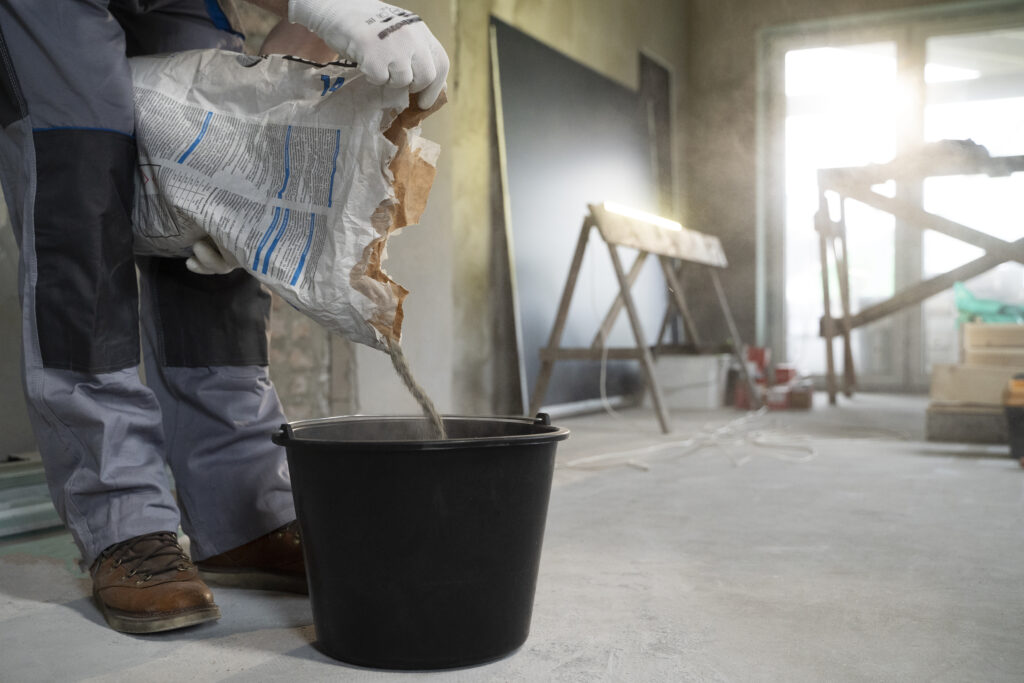
Interior wall sealants and waterproof coatings are a simple but effective way to control minor moisture issues. These coatings act as vapor barriers that prevent water from passing through porous basement walls.
Although sealants alone won’t stop serious leaks, they’re useful as part of a comprehensive waterproofing system. In Missouri’s humid climate, they help reduce condensation and surface dampness, especially when used along with a dehumidifier or ventilation system.
They’re also an excellent choice for homeowners planning to finish their basement, since they provide a clean, dry surface for insulation and drywall.
6. Why Is Proper Yard Drainage Important for Basement Waterproofing in Missouri?
Many basement leaks start outside rather than inside. When water pools near your foundation because of poor grading, clogged gutters, or short downspouts, it eventually finds a way in.
Improving yard drainage is one of the simplest and most cost-effective ways to prevent basement water problems. Extending your downspouts, installing French drains, or regrading the soil so it slopes away from your home can make a big difference.
Missouri’s clay-heavy soil tends to trap water, so anything that helps direct moisture away from your foundation helps reduce hydrostatic pressure and prevents future cracks or leaks.
How Can Homeowners Choose the Right Waterproofing Method?
The best waterproofing solution depends on your home’s foundation type, age, and the extent of your moisture problem. In many cases, a combination of methods works best. For instance, pairing an interior drain system with a sump pump and proper exterior grading can protect against both surface runoff and groundwater seepage.
Working with an experienced basement waterproofing contractor in Missouri ensures your solution is designed specifically for the state’s unique weather patterns and soil conditions. A professional can assess your basement and recommend the right mix of techniques to keep it permanently dry.
Conclusion: Keep Your Missouri Basement Dry Year-Round
Basement waterproofing isn’t just about comfort. It’s about protecting your home’s structure, air quality, and long-term value. Missouri’s unpredictable weather can put your foundation to the test, but with the right waterproofing plan, you can stay one step ahead of moisture problems.
Whether you’re dealing with light dampness or frequent flooding, professional waterproofing methods like drain systems, sump pumps, crack repair, and improved yard drainage can make all the difference. By investing in proven solutions, you can enjoy a dry, healthy, and worry-free basement for years to come.
Frequently Asked Questions
How long does basement waterproofing last in Missouri?
When done professionally, basement waterproofing can last anywhere from 10 to 25 years or more. The lifespan depends on the materials used, soil conditions, and how well exterior drainage is maintained. Routine inspections help ensure the system continues to perform properly.
Can waterproofing stop mold growth in my basement?
Yes. By eliminating moisture, waterproofing removes the main condition mold needs to grow. Pairing waterproofing with proper ventilation and a dehumidifier can help keep your basement mold-free all year.
When is the best time to waterproof a basement in Missouri?
Spring and early summer are ideal times for waterproofing. The weather is generally mild, and contractors can identify moisture issues more easily after the rainy season. However, waterproofing can be done any time of year if water intrusion becomes urgent.